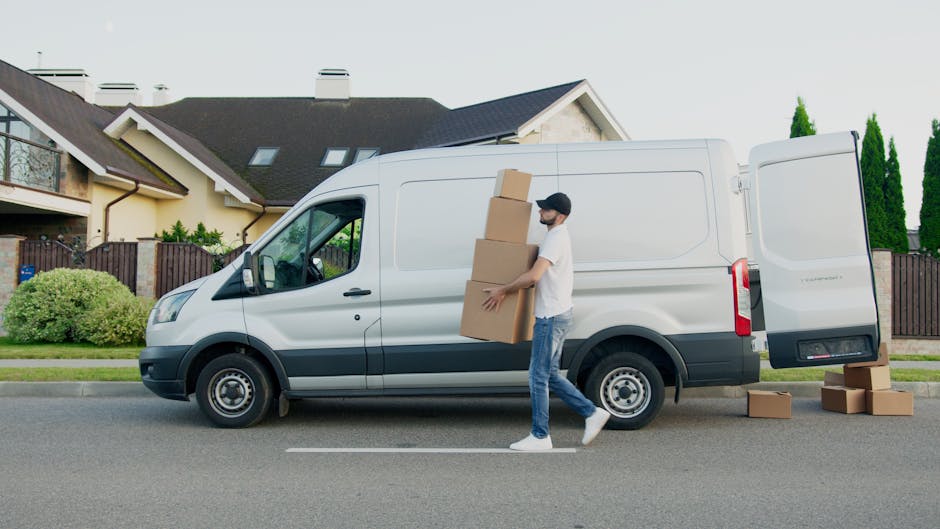
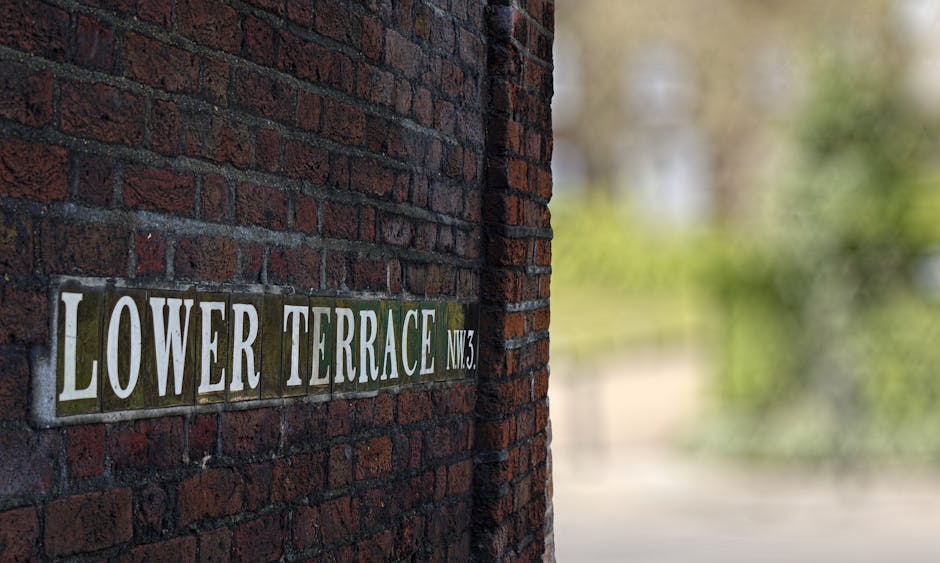
NW3 removals Keats House and Flask Walk moving guide
Moving around Keats House and Flask Walk in NW3 can feel deceptively simple until you are actually standing there with boxes, a van, a narrow pavement, and a clock ticking louder than you expected. This NW3 removals Keats House and Flask Walk moving guide is written for that real-life moment. It covers what makes the area different, how a move tends to work here, and the practical choices that save time, stress, and a few avoidable headaches.
Whether you are shifting out of a flat, moving into a family home nearby, or planning a careful move that needs a little extra coordination, the aim is straightforward: help you get organised, avoid common mistakes, and choose the right kind of removals support for the day. To be fair, moving is rarely glamorous. But it can be orderly.
For readers comparing services, it may also help to look at broader options such as removals, man and van support, or flat removals if your move is from an upper-floor property or a compact NW3 flat.
Table of Contents
- Why NW3 removals Keats House and Flask Walk moving guide Matters
- How NW3 removals Keats House and Flask Walk moving guide Works
- Key Benefits and Practical Advantages
- Who This Is For and When It Makes Sense
- Step-by-Step Guidance
- Expert Tips for Better Results
- Common Mistakes to Avoid
- Tools, Resources and Recommendations
- Law, Compliance, Standards, or Best Practice
- Options, Methods, or Comparison Table
- Case Study or Real-World Example
- Practical Checklist
- Conclusion
- Frequently Asked Questions
Why NW3 removals Keats House and Flask Walk moving guide Matters
Keats House and Flask Walk sit in one of those parts of NW3 where character is part of the appeal, but character can also mean awkward access, tight street space, and a move that needs a bit more planning than a standard suburban relocation. If you have ever tried to manoeuvre boxes through a narrow entrance while avoiding a parked car and a neighbour's bins, you will know exactly what I mean.
This matters because removals in this part of Hampstead are rarely just about transport. They involve timing, loading order, parking awareness, property layout, and making sure fragile or heavy items do not become a problem halfway through the day. A move that looks small on paper can still be complex in practice.
The guide is also useful because people often underestimate the difference between a basic van run and a properly prepared removal. A short local move still needs protection for furniture, clear access, and a realistic sense of how long loading and unloading will take. That is especially true if you are moving from a basement flat, a period conversion, or a building with stairs that seem to go on forever.
In practical terms, this topic matters to:
- homeowners moving within or into NW3
- tenants leaving a flat near Keats House or Flask Walk
- students or professionals moving to nearby accommodation
- families relocating to a larger property
- anyone who wants a local move handled calmly and efficiently
If you are still deciding what type of support you need, the choice between a simple vehicle-and-helper setup and a fuller removal plan can make a real difference. For many smaller moves, a removal van or a man with van arrangement is enough. For larger homes, you may need a bigger team and more space, which is where house removals or even home moves become more appropriate.
How NW3 removals Keats House and Flask Walk moving guide Works
A move in this part of NW3 usually works best when the job is broken into simple stages: access, packing, loading, transport, and placement at the destination. The process sounds obvious, but that is exactly why people rush it and then pay for the rush later.
First, the access side of the move is checked. That includes how the vehicle will stop, where items will be carried from, and whether there are stairs, tight corners, or narrow hallways. Around Keats House and Flask Walk, these details can matter more than the distance itself. A two-minute drive can still mean a slower handover if the property layout is awkward.
Next comes packing and preparation. Good packing is not only about boxes. It is about sensible grouping, labelling, and knowing which items need extra care. A guitar leaning against a pile of lampshades is not a plan. It is a future story. If you want proper wrapping help, take a look at packing and boxes or a more hands-on packing and unpacking services option.
Then comes loading. Here, sequence matters. Heavier items go in first, fragile items are protected and layered safely, and furniture is secured to stop movement during transit. A good load is compact but not overstuffed. There should be enough room to cushion the items, not just cram them in and hope.
Finally, there is delivery and placement. This sounds like the easy bit, but anyone who has dragged a wardrobe into the wrong room knows better. Placement is part of the service, and getting it right saves you from dragging heavy furniture around again once everyone is tired and the kettle is still in a box somewhere.
For larger or more complex loads, a moving truck may be more suitable than a small vehicle. For business relocations in the wider area, office removals or commercial moves may follow a different plan entirely.
Key Benefits and Practical Advantages
The biggest benefit of planning a proper NW3 move is control. Not control in a stiff, over-managed sense. Just the simple comfort of knowing who is doing what, when things are being collected, and how the move is supposed to unfold.
Here are the main advantages people usually notice:
- Less stress on moving day - because the route, access, and load order have already been thought through.
- Better protection for belongings - especially furniture, mirrors, artwork, and awkwardly shaped items.
- Fewer delays - when parking, lift access, and stair access are understood in advance.
- More efficient transport - because the right size of vehicle is used from the start.
- Cleaner handover - which matters when you are working around landlords, agents, or incoming residents.
There is also a financial angle. Efficient planning often reduces wasted time, extra trips, and the kind of last-minute problem that sends a day sideways. If you are comparing quotes, it is worth understanding exactly what is included and what is not. The page on pricing and quotes is a sensible place to begin if you want to compare like with like.
A quieter benefit, and one people often forget, is emotional. A move that feels organised can take a surprisingly heavy weight off your shoulders. You get to breathe a little. That matters more than people admit.
Who This Is For and When It Makes Sense
This guide is for anyone moving within the NW3 area who wants a realistic plan, not just a vague promise that "it should be fine". It makes particular sense if you are dealing with one or more of the following:
- a one-bedroom or two-bedroom flat near Flask Walk
- a period property with stairs, tight turns, or delicate interiors
- a move involving bulky furniture, white goods, or fragile pieces
- a same-day or short-notice move
- a student move, where speed and affordability matter
- an inheritance clearance, downsizing move, or partial household move
It also makes sense if you are comparing services for different types of jobs. For example, a student moving out for the summer may need something very different from a family moving out of a full house. The service choice is not about making the move sound bigger than it is; it is about matching the job correctly. That is why options like student removals, office relocation services, and furniture removals exist separately.
Sometimes people ask, "Do I really need anything more than a van?" Fair question. If you have a few bags, a couple of boxes, and not much else, probably not. But once stairs, fragile items, or larger furniture enter the picture, the answer changes quickly.
Step-by-Step Guidance
A good move is rarely dramatic. It is usually just well prepared. The steps below are simple, but each one prevents a common problem.
- Survey the property and access points. Check stairs, entry width, parking space, and whether anything needs dismantling.
- Sort and reduce. The less you move, the easier the day becomes. If something should be recycled, sold, or given away, decide early.
- Pack by room and priority. Keep essentials together so you are not searching for chargers, toiletries, or the kettle at 9 p.m.
- Label clearly. Use simple labels such as kitchen, bedroom, fragile, and open first.
- Protect awkward items. Use blankets, wrapping, tape, and corner protection where needed.
- Confirm parking and timing. In a busy part of NW3, a small delay can snowball into a longer day.
- Load in the right order. Heavy and robust items first, fragile items later, and make sure everything is secured.
- Unload with a room-by-room plan. It sounds basic, but it saves time and avoids clutter building up at the front door.
- Check the property before leaving. Cupboards, lofts, under beds, utility spaces - people leave things behind all the time.
If you want hands-on support for the packing stage, many people find it easier to add a packing and unpacking services element rather than trying to do every box themselves late at night with one roll of tape and a bad playlist.
And yes, check the kettle first. You will thank yourself later.
Expert Tips for Better Results
Small improvements make a big difference in NW3. The area has enough quirks that practical planning beats bravado every time.
- Book the right vehicle size. Too small and you may need extra trips; too large and you may be paying for space you do not need.
- Keep pathways clear. Hallways and landings should be free of loose bags, children's toys, and random "put this here for now" piles.
- Use a clear first-load box. Put keys, documents, chargers, snacks, and basic cleaning supplies in one easy-to-reach box.
- Disassemble only what helps. Some furniture is better left intact if taking it apart would create more risk than benefit.
- Tell the team about awkward items. Piano, sculpture, antique mirror, giant bookcase - these are not details to mention at the last second.
- Keep fragile items separate. Glassware and cables should not be sharing a box just because there was space.
One thing that often gets overlooked is the emotional pace of the day. People can get into a rush around midday, especially once the first van load is done. Then they make odd choices. Slow down just enough to stay sensible. A move is not won by speed alone.
If you are moving a valuable instrument, you may also want to consider specialist help through piano removals. Not every bulky item needs that level of care, but when it does, it really does.
Common Mistakes to Avoid
Most moving problems are boringly predictable. That is actually good news, because predictable problems are easier to avoid.
- Underestimating access. A property can look simple from the street and still be awkward once you are inside.
- Packing too late. Last-minute packing usually means poor labelling, crushed boxes, and forgotten essentials.
- Choosing the wrong service type. A tiny vehicle is not ideal for a full family move, and a large truck is not always sensible for a light load.
- Ignoring parking and timing. In busy streets, parking can become the bottleneck.
- Not protecting furniture. Scratches and dents often happen during loading, not on the road.
- Leaving clearance too late. If you are decluttering, do not leave it until the evening before move day.
One more mistake: assuming all removals are the same. They are not. A flat move near Flask Walk might need a different approach from a full house move or a business relocation. If you need broader support, it is worth comparing removal services with more specific options like house removalists or office removals.
Truth be told, the biggest mistake is often assuming the day will sort itself out. It usually doesn't. Not without a plan, anyway.
Tools, Resources and Recommendations
You do not need a complicated toolkit to move well, but you do need the right basics. Think practical, not fancy.
- strong cardboard boxes in mixed sizes
- packing tape and a dispenser
- bubble wrap or paper wrap for fragile items
- labels or a permanent marker
- blankets and furniture covers
- basic tools for dismantling beds or shelving
- door protection and floor coverings where needed
- a phone charger and a paper note with key contacts
If you need extra packing material or help building a sensible packing system, the site's packing and boxes and packing and unpacking services pages are useful starting points. For people moving a full flat or house, it may also help to think about whether a flat removals approach or a fuller home moves setup is the better fit.
There is another practical resource people often overlook: sustainability. If you are clearing items as part of the move, a thoughtful approach to reuse and disposal can save space and reduce waste. The page on recycling and sustainability is worth a look if you want to make better decisions about unwanted items.
Law, Compliance, Standards, or Best Practice
Moving home is not a heavily regulated activity in the way some industries are, but there are still important standards and responsibilities to keep in mind. Good removals work in the UK should be handled with care, common sense, and proper respect for property and safety.
Best practice usually includes the following:
- safe lifting and carrying methods
- appropriate handling of heavy or fragile items
- clear communication about access, timing, and special items
- reasonable care for walls, doors, floors, and shared areas
- transparent terms, pricing, and expectations before the job begins
Insurance matters too. It is wise to understand what cover is in place and what it does or does not protect. If you are comparing providers, check the page on insurance and safety as well as terms and conditions so there are no surprises later.
Health and safety is another practical point. Furniture moving involves lifting, carrying, and working around stairs, tight spaces, and sometimes damp or uneven entrances. That sounds dull until a box slips or a sofa catches on a banister. A provider with a proper health and safety policy is generally a better bet for a move that needs care.
For anyone concerned about payments, check payment and security and make sure you are comfortable before confirming anything. Simple, but easy to forget when you are trying to juggle work, boxes, and a deadline.
Options, Methods, or Comparison Table
Different moves need different approaches. Here is a simple comparison to help you judge what fits your situation in NW3.
| Option | Best for | Strengths | Things to watch |
|---|---|---|---|
| Man and van | Small flats, a few rooms, light-to-medium loads | Flexible, efficient, often ideal for local moves | May not suit larger household loads |
| Removal van | Single-property moves, compact but organised loads | Better structure for furniture and boxes | Vehicle size must match the job |
| Full removals service | Family homes, complex access, higher volume moves | More support, more efficiency, less pressure on you | Usually needs more planning |
| Same-day removals | Short-notice moves or urgent changes | Fast turnaround, helpful in a pinch | Availability can be tighter |
| Storage-supported move | Delayed completion, downsizing, temporary gaps | Flexible if dates do not line up | Requires planning and storage timing |
That table is not meant to push everyone into the biggest option. Sometimes the simplest choice is best. A compact move through NW3 may work beautifully with man with a van. On the other hand, if you have a lot of furniture and a tight move-out deadline, a more structured removal services approach can save real time.
Case Study or Real-World Example
Here is a realistic example, based on the sort of move that comes up often around this part of NW3.
A couple were leaving a first-floor flat near Flask Walk and moving into a larger house a short distance away. At first glance, it looked like a straightforward local job. Only when they measured the hallway and checked the stair turn did they realise the sofa would need careful handling, and one bookcase would probably need partial dismantling.
They packed most of the smaller items in advance, labelled the kitchen boxes clearly, and set aside a "first night" box with bedding, mugs, toiletries, and chargers. That one box, honestly, made the first evening much easier. No hunting. No rummaging. Just a normal cup of tea and a sensible pause.
Because access was tight at both ends, they chose a vehicle-and-helper setup rather than trying to tackle the move themselves. The team could load methodically, protect the corners of furniture, and place items in the right rooms on arrival. The whole thing felt less like a scramble and more like a proper handover.
The lesson? In a place like Keats House and Flask Walk, the smallest details often shape the whole day. Measure first, pack early, and do not assume the move is "too small to plan". Small moves can be sneaky.
Practical Checklist
Use this checklist in the week before your move. It is simple on purpose.
- Confirm moving date and arrival window
- Check access for both properties
- Measure larger furniture and doorways
- Decide what to keep, donate, recycle, or store
- Pack essentials separately
- Label boxes by room and priority
- Protect fragile and valuable items
- Prepare keys, documents, and any tenancy paperwork
- Keep chargers, medication, and everyday items easy to reach
- Arrange parking, access, and lift use if relevant
- Walk through both properties before and after loading
Expert summary: The best NW3 moves are not the fastest ones. They are the ones where access, packing, vehicle choice, and timing all line up cleanly. That is what keeps the day calm.
If you still need extra room between move-out and move-in dates, storage can be a practical bridge. And if you are comparing wider moving support, it can help to look at removal companies carefully so you understand which provider suits your job, rather than just picking the first name you see.
Conclusion
Moving around Keats House and Flask Walk in NW3 is all about smart preparation. The streets, property styles, and access patterns reward calm planning and realistic expectations. Once you understand the layout of the job, everything becomes more manageable.
Whether you need a small local move, a more complete household relocation, or help with a flat, a van, or packing, the main goal is the same: protect your belongings, reduce stress, and keep the day moving in the right direction. That sounds simple because it is. The hard part is usually just starting early enough.
Use the guidance in this NW3 removals Keats House and Flask Walk moving guide to compare your options, plan the details, and avoid the last-minute rush that causes most moving-day problems. A little structure goes a long way. So does a decent label on a box, to be fair.
Get a free quote today and see how much you can save.
And when the last box is inside and the front door finally closes behind you, take a breath. The day is done, and the new chapter has already begun.
Frequently Asked Questions
What does NW3 removals Keats House and Flask Walk moving guide actually cover?
It covers the practical side of moving in and around Keats House and Flask Walk in NW3, including access, packing, vehicle choice, timing, and how to avoid common moving problems. It is written to help you plan a smoother local move.
Is a man and van suitable for a move in this part of NW3?
Often, yes. A man and van service can be a strong fit for smaller flat moves, lighter household loads, and short-distance relocations. If your furniture is bulky or your access is awkward, you may need something more structured.
How do I know if I need flat removals or house removals?
If you are moving from a flat, especially one with stairs or limited access, flat removals are usually the more relevant option. For larger family properties or fuller household moves, house removals make more sense.
Can I book short-notice or same-day help?
Sometimes. Availability depends on the day, the size of the move, and how much notice is given. If timing is tight, same-day removals may be worth considering, but it is always better to ask as early as possible.
What should I pack first for a move near Keats House or Flask Walk?
Pack non-essential items first: books, seasonal clothing, decor, and spare linens. Keep everyday essentials separate, including chargers, toiletries, tea-making bits, and anything you need on the first night.
Do I need storage if my move dates do not line up?
If there is a gap between moving out and moving in, storage can be very helpful. It gives you flexibility and reduces pressure when completion dates shift or access is delayed.
How far in advance should I book removals in NW3?
As early as you can, especially if you are moving at a weekend, at month-end, or during a busy season. Early booking gives you more choice over timing and vehicle type.
What are the biggest risks during a local move in Hampstead?
The most common risks are poor access planning, underestimating the volume of items, damaging furniture during loading, and running out of time because packing started too late. None of these are dramatic on their own, but together they can create a messy day.
Should I use packing and unpacking services?
If you are busy, moving a full household, or want to reduce stress, yes, they can be a very practical choice. They are especially helpful when fragile items or a large number of boxes are involved.
How can I compare removal services properly?
Look beyond the headline price. Compare what is included, whether packing help is available, what vehicle is used, how access is handled, and whether insurance and terms are clear. The pricing and quotes page can help you think through the right questions.
What if I have a bulky item like a piano or large wardrobe?
Special handling may be needed. Piano removals are best treated carefully, and large furniture may need dismantling, additional protection, or extra time. Mention special items early so they can be planned properly.
Is it worth using professional removals for a small move?
Often, yes, if it saves time, reduces lifting, and lowers the risk of damage. A small move can still be physically awkward, especially in period properties or upper-floor flats. Sometimes paying for help is simply the calmer choice.