Office Removals in Hampstead
If you are planning office removals in Hampstead, you are probably trying to balance several things at once: keeping business disruption to a minimum, protecting equipment and files, managing access in a busy local area, and making sure every part of the move is handled with care. That is exactly where a local, experienced removals team can make a real difference. Hampstead is a unique part of North London, with a mix of period offices, converted townhouses, small commercial units, professional practices, and shared workspaces. Moving a business here often means dealing with narrow streets, limited parking, controlled loading, stair-only access, and tight time windows. A well-planned office move is not just about lifting furniture; it is about keeping your business moving while the relocation happens.
Whether you are moving a small studio, a growing consultancy, a medical or legal practice, or a larger office with multiple departments, the right support helps you stay organised from the first survey through to final placement at the new site. Many local customers want a service that feels straightforward, reliable, and considerate of both staff and neighbours. With the right preparation and local knowledge, office removals in Hampstead can be completed in a structured, efficient way that reduces stress and avoids unnecessary delays. If you are comparing options now, this page explains what is included, how the process works, what affects cost, and why choosing a local team can save time and hassle.
For businesses near Hampstead Village, Belsize Park, Swiss Cottage, Frognal, West Hampstead, and the surrounding parts of Camden and North West London, local awareness matters. A move at one office address may involve weekday access restrictions, resident permit areas, or busy pavements where manoeuvring larger items takes planning. Another may require careful protection of floors and communal areas in a converted building. A trusted removals team will think through these details before moving day, so your staff can keep working while the relocation is handled in a practical, professional way. Request a free quote if you are planning a relocation and need a service tailored to your office, building, and timetable.
Why Hampstead Businesses Choose a Local Office Removals Service
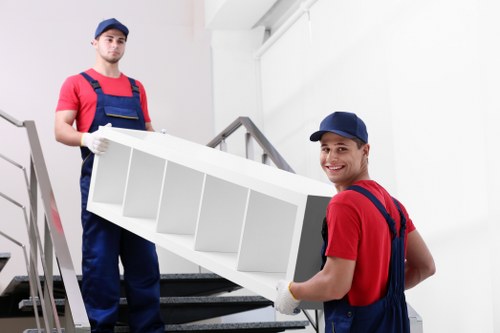
Choosing a local team for a business move is about more than convenience. In an area like Hampstead, local experience can help reduce delays and prevent avoidable problems. The streets around the village can be busy, parking may be limited, and access to some premises can be awkward for larger vans or for crews carrying heavy items. A local mover is more likely to understand how to plan around these conditions and how to adapt when a building has narrow staircases, basement offices, shared entrances, or limited lift access. That practical awareness can make the entire relocation smoother.
Local office removals are also valuable because many Hampstead businesses operate in buildings that have character rather than modern logistics-friendly layouts. Period properties, terrace conversions, and mixed-use commercial spaces often present challenges that are easy to underestimate. You may need to protect original flooring, work carefully around tight corners, or remove items in a particular order to avoid congestion. A team with local knowledge can plan the move in a way that suits the property, the staff, and the surrounding area, which is especially useful when the building is occupied by other businesses or residents.
Another important benefit is communication. When you are managing a business relocation, you need clear answers about timings, access, item handling, and what happens on the day. A dedicated removals service can offer a site visit or a detailed discussion before the move so that everyone knows what is expected. This reduces uncertainty, helps staff prepare properly, and makes it easier to keep disruption under control. For many customers, that reassurance is just as valuable as the physical move itself.
What Office Removals in Hampstead Typically Include

Every business has different requirements, but most office removals in Hampstead involve a combination of packing, lifting, transport, and careful placement at the destination. The service can be designed to suit the size of your team, the nature of your equipment, and the schedule you need to work around. Some customers want a full service from start to finish, while others only need support with the heaviest or most awkward items. Either approach can be arranged to match the move.
A standard office removals service may include:
- Pre-move planning and assessment
- Furniture dismantling and reassembly where needed
- Safe handling of desks, chairs, filing cabinets, and storage units
- Transport of IT equipment, monitors, printers, and peripherals
- Loading and unloading by a trained removals crew
- Placement of items in designated rooms or zones
- Protection for floors, walls, and access routes when required
- Coordination with building access times and parking arrangements
Many businesses also ask for help with packing and labelling. This is especially useful when there are multiple departments, confidential files, or items that need to be placed in the correct room quickly. Clear labelling and organised packing make it much easier to resume work after the move. If you have sensitive items, fragile equipment, or documents that require extra care, you can discuss those needs in advance so the team can plan accordingly.
Some customers also need a phased relocation rather than a single-day move. That can be useful for firms that want to stay operational during the transition or move one department at a time. A flexible removals service can adapt to that requirement, helping you relocate in stages with less disruption to daily work.
How the Office Moving Process Works
From first enquiry to moving day

A successful office move starts long before the van arrives. The first step is usually an initial discussion about the size of the office, the items involved, the current and new locations, and the timing you want to achieve. For office removals in Hampstead, it is especially useful to talk through access issues early, such as whether there is parking nearby, whether the building has a lift, and whether any items need to be carried via stairs or through shared areas. The more detail you provide, the easier it is to shape the right plan.
After that, many customers benefit from a survey or a detailed move assessment. This allows the removals team to identify potential issues before the moving date. For example, they may note large conference tables, heavy safes, server units, fragile shelving, or items that require partial dismantling. They may also consider building timings, lift booking requirements, and whether certain streets or parking bays are likely to be easier to use at specific times of day. In a neighbourhood like Hampstead, where traffic and parking can vary significantly, this step is particularly valuable.
On moving day, the team will normally arrive with the necessary tools and protective materials. Items are packed or prepared as agreed, then carefully loaded in the correct order so that unloading at the new office is efficient. Furniture can be reassembled if required, and items are placed in the right rooms to help staff settle in quickly. If the move includes IT equipment, coordination is important so that cables, monitors, and devices are handled with attention and not rushed. The aim is always to reduce downtime and help you get back to business as soon as possible.
Useful moving-day priorities
Keep access clear, make sure boxes are labelled, separate essential equipment, and have one point of contact available to answer questions. These simple steps help the crew work efficiently and help your business team avoid confusion. If your office has reception staff, visitors, or shared access points, it is also worth planning how those areas will be managed while the move is underway.
Common Hampstead Property Types and Access Challenges

Hampstead is known for its attractive buildings and varied property stock, but those features can create specific challenges during an office relocation. Many commercial premises are located in converted houses, upper floors, basement spaces, or mixed-use buildings where access is less straightforward than in a modern business park. Staircases may be narrow, ceilings may be lower in some areas, and shared entrances can require extra care to avoid disruption to neighbours or other occupants. A team used to working in this part of London will know how to plan for these issues.
Parking is another practical consideration. In busy parts of Hampstead, the space available close to the property may be limited, and the best vehicle position may need to be arranged carefully in advance. Where loading is restricted, a move can take longer unless the route and timings are planned properly. Local experience helps here because it reduces guesswork. The team can factor in the realities of the area rather than relying on a generic moving plan that may not suit your street or building.
Different office types also need different handling. A solicitor’s practice may have large quantities of files and cabinets. A design studio may have monitors, artwork, and delicate technical equipment. A healthcare or therapy practice may have furniture that must be moved with minimum downtime and respect for privacy. A co-working or shared office may need the move to be timed carefully to avoid interrupting other tenants. The best removals service adapts to the specific layout and needs of your business rather than treating every move the same.
In practical terms, this means planning routes, allocating the right team size, protecting surfaces, and deciding the order in which items should leave the building. It may also involve checking whether building management has specific rules for lift use, loading access, or waste removal. These details can sound small, but they often make the difference between a move that feels controlled and one that becomes chaotic.
Who We Help with Office Removals in Hampstead

Office removals in Hampstead are not only for large corporate headquarters. In fact, many of the moves in this area involve smaller businesses and professional practices that still need a careful, efficient service. A good removals team can support a wide variety of local customers, including:
- Professional services firms such as accountants, solicitors, and consultants
- Creative studios and agencies
- Medical, wellness, and therapy practices
- Start-ups and small businesses moving from home offices to commercial premises
- Established companies relocating within Hampstead or to nearby areas
- Shared offices and multi-tenant workspaces
- Educational, charitable, and community organisations with office equipment
Each of these customers has different priorities. A consultancy may need minimal downtime and help with document organisation. A creative team may need extra care for monitors, display equipment, and workstations. A practice that handles client or patient information may need files and devices moved securely and with discretion. The right service is flexible enough to match those needs without making the process more complicated than it needs to be.
If your office move is part of a wider business change, such as expanding into larger premises, consolidating multiple sites, or reducing your footprint, that can also shape the plan. Some customers only want the removal of office furniture and contents, while others need support with a staged relocation, downsizing, or the clearing of old items once the useful equipment has been moved. A local team can help you choose the most practical approach for your situation.
Why businesses value a flexible approach
Moves do not always happen neatly in one day. Staff availability, building access, and work schedules often mean the relocation has to be shaped around your business rather than the other way around. Flexibility allows for better planning, less disruption, and a move that feels manageable from the start. If you are comparing office moving services, ask how the team handles phased moves, special handling requests, and time-sensitive relocations.
Preparing for an Office Move
A practical checklist for Hampstead businesses
Good preparation makes office removals easier, faster, and less stressful. Even if you are using a full-service team, there are still a few important steps your business can take before moving day. These actions help protect your equipment and reduce confusion when everyone arrives at the new office.
- Confirm the move date and access times for both properties.
- Label boxes and items clearly by department or room.
- Back up important digital files before equipment is moved.
- Separate essential items that will be needed immediately after arrival.
- Identify fragile, confidential, or high-value items that need special handling.
- Notify staff of the moving plan and who is responsible for different tasks.
- Check whether parking, loading, or lift arrangements need to be booked in advance.
- Decide what should be moved, stored, recycled, or disposed of.
For businesses in Hampstead, it is also worth considering the surrounding environment. If the move takes place in a busy residential street or a shared building, it is polite and practical to think about how loading will affect neighbours or other occupants. Keeping pathways clear, managing boxes neatly, and sticking to agreed timings all help the move proceed smoothly. A professional removals team will support this by working carefully and respectfully throughout the process.
One very useful tip is to appoint a move coordinator within your business. This does not have to be a senior person, but it should be someone who can answer questions, confirm where items should go, and keep communication flowing on the day. Having one point of contact reduces mistakes and helps the removals crew work more efficiently.
What Affects the Cost of Office Removals in Hampstead?
Customers often want to understand what influences the price of an office move before they request a quote. While exact figures depend on the details of the job, several common factors affect the overall cost. Knowing these in advance helps you compare services more confidently and plan your budget realistically.
- Size of the office – Larger premises usually mean more items, more labour, and more time.
- Amount of furniture and equipment – Heavy desks, filing cabinets, and specialist devices can require extra handling.
- Access conditions – Stairs, narrow hallways, restricted parking, and long carrying distances can affect labour time.
- Packing requirements – Full packing, partial packing, and supply of materials can change the scope of the job.
- Distance between premises – Even local moves may vary depending on the route and loading conditions.
- Timing needs – Out-of-hours or weekend moves may require different planning.
- Special items – Sensitive files, IT equipment, or unusually heavy items may need extra care.
When requesting a quote, be as accurate as possible about the contents of the office and the conditions at both ends of the move. A clear description helps the removals team provide a more useful estimate and reduces the chance of surprises later. If you are moving within Hampstead or to a nearby area such as West Hampstead, Belsize Park, Swiss Cottage, or Finchley Road, a local team can often assess the practicalities with better accuracy because they understand the local streets and property layouts.
Transparent planning is one of the best ways to keep costs under control. If certain furniture is no longer needed, it may be worth separating it before the move. Likewise, if items can be dismantled in advance or boxed by your staff, that may reduce time on the day. The key is to decide what service level you need and build the move around that.
Why a Professional Team Is Worth It
Reducing downtime, risk, and stress
Office relocation is one of those tasks that seems simple until the day arrives. There are desks to dismantle, equipment to protect, access to coordinate, and staff who need to know when and where to work. A professional removals team helps manage all of that in a structured way. That means fewer delays, less physical strain on your own staff, and less risk of damage to furniture, walls, floors, or valuable equipment.
For businesses in Hampstead, professionalism also means moving with consideration. Shared buildings, residential streets, and mixed commercial settings all require a calm, respectful approach. The right team understands that a business move is not happening in isolation; it is happening in a neighbourhood where efficiency and courtesy matter. That is particularly important where lifting large items through communal areas or loading near busy pavements is involved.
Professional help also improves continuity. Your team can stay focused on their work rather than spending valuable time organising vans, carrying boxes, and trying to solve access issues. With a reliable removals service, you can plan the move around your operating needs and reduce the chance that the relocation interferes with clients, appointments, or deadlines.
When to book
If you are moving soon, it is sensible to book as early as possible so the team can assess requirements and reserve the appropriate date. Even if your move is still in the planning stage, getting a quote early can help you understand what preparation is needed and how to structure the work around your business calendar. Book your service now if you already know your move date and want to secure the right support.
Areas Covered Around Hampstead
Local office removals often extend beyond Hampstead itself, especially when businesses are relocating to nearby commercial or residential areas in North West London. A local team can usually assist with moves involving nearby districts and the surrounding neighbourhoods, helping businesses relocate without having to coordinate with unfamiliar crews or distant companies.
- Hampstead Village
- Frognal
- Belsize Park
- Swiss Cottage
- West Hampstead
- Finchley Road corridor
- South Hampstead
- Gospel Oak
- Kenwood and nearby residential areas
- Adjacent parts of Camden and North West London
These locations vary in layout, parking, and property type, which is why local familiarity remains important. A team working across this part of London should be able to adapt to quieter residential streets, busier commercial roads, and buildings with different access rules. That flexibility makes it easier to coordinate the move in a way that suits your staff and your location.
Frequently Asked Questions
Do you handle small office moves as well as larger ones?
Yes. Many office removals in Hampstead involve small teams, home offices moving into commercial space, or individual departments relocating. A professional removals service can be scaled to suit the size of your business and the amount of equipment involved.
Can you move office furniture and IT equipment?
Yes, office furniture, workstations, monitors, printers, and other business equipment can usually be moved as part of the service. If you have sensitive or specialist items, mention them early so the team can plan the correct handling approach.
Do I need to pack everything myself?
Not necessarily. Some customers prefer a full packing service, while others pack documents and personal items themselves and leave furniture handling to the removals team. The level of support can be tailored to your needs.
How do you handle access problems in Hampstead?
Access is assessed in advance wherever possible. That may include checking parking options, lift use, staircase width, loading points, and any building rules. This kind of planning is particularly important in Hampstead because of the area’s mix of older buildings and limited roadside space.
Can you help with phased moves or weekend relocations?
In many cases, yes. Phased relocations and out-of-hours moves can be arranged where needed, especially for businesses that want to reduce disruption during normal working hours. It is best to discuss your preferred schedule early.
What should I do before moving day?
Label boxes, back up files, identify fragile items, separate essentials, and make sure the move coordinator knows the plan. If you have building access requirements or parking restrictions, share those details as early as possible.
Can you help us decide what should be moved or cleared?
Yes. Many businesses use the move as a chance to separate useful office items from furniture or equipment that is no longer needed. A practical removals service can help you plan what should be transported and what should be left behind or removed separately.
Ready to Arrange Office Removals in Hampstead?
If you are preparing a relocation and want it handled with care, organisation, and local awareness, now is the right time to make an enquiry. Office removals in Hampstead work best when they are planned properly, especially where access, timing, and business continuity all matter. By choosing a team that understands local conditions, you give your company a better chance of moving efficiently and getting back to work without unnecessary disruption.
Whether you are moving a compact office, a professional practice, or a larger commercial space, the aim is the same: protect your assets, keep the process clear, and make the move as straightforward as possible. If you are comparing options, look for a service that offers careful planning, flexible support, and practical experience in Hampstead and the surrounding North West London area. Contact us today to discuss your office move, ask questions about the process, and request a free quote based on your requirements.
When you are ready to move, a local team can help you do it with less stress and more confidence. With the right preparation and the right support, your office relocation can be managed in a way that works for your business, your building, and your schedule. Book your service now and take the first step towards a smoother move.