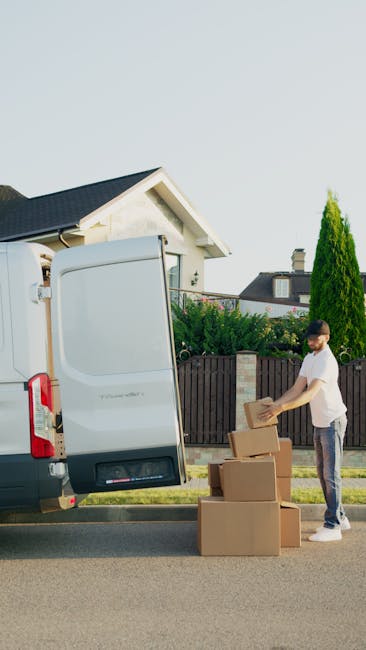
Rosslyn Hill Removals Hampstead Narrow Access Moving Tips
Moving on Rosslyn Hill can feel straightforward on paper, then suddenly a narrow stairwell, a tight turning circle, or a parked car turns the whole day sideways. That is the reality of Rosslyn Hill removals Hampstead narrow access moving tips: it is not just about lifting boxes, it is about planning a move around a local street layout that leaves very little room for error. If you are dealing with a townhouse, flat conversion, basement access, or a busy Hampstead road, the small details matter more than usual.
This guide is built for exactly that. You will find practical advice on access checks, vehicle choice, timing, packing, loading, and the kind of little pitfalls people only notice when the sofa is already halfway out the door. Truth be told, narrow access moves are often less about muscle and more about choreography. Get the sequence right and the whole thing becomes calmer, safer, and far less stressful.
For readers who want broader support alongside the local planning side, it can help to explore removals in Hampstead NW3, a flexible man with a van service in Hampstead, or the wider removal services in Hampstead page before deciding how much help you need.
Table of Contents
- Why Rosslyn Hill removals Hampstead narrow access moving tips Matters
- How Rosslyn Hill removals Hampstead narrow access moving tips Works
- Key Benefits and Practical Advantages
- Who This Is For and When It Makes Sense
- Step-by-Step Guidance
- Expert Tips for Better Results
- Common Mistakes to Avoid
- Tools, Resources and Recommendations
- Law, Compliance, Standards, or Best Practice
- Options, Methods, or Comparison Table
- Case Study or Real-World Example
- Practical Checklist
- Conclusion
- Frequently Asked Questions
Why Rosslyn Hill removals Hampstead narrow access moving tips Matters
Rosslyn Hill sits in a part of Hampstead where the charm is obvious: elegant homes, varied building stock, and streets that feel lived-in rather than over-planned. But for removals, that charm can be a challenge. Narrow entrances, shared hallways, stepped front paths, low-hanging branches, and limited roadside waiting all change the way a move needs to be handled.
The reason this matters is simple. If a mover arrives with the wrong vehicle, the wrong tools, or too little information, the move slows down fast. That can mean extra lifting, longer carry distances, more chance of damage, and a lot more stress for everyone. And nobody wants to be standing on the pavement, tea going cold, while one person mutters about a wardrobe that "looked smaller online".
In narrow-access areas, the real job is to reduce friction. You are trying to avoid repeated trips, blocked corridors, scratched walls, and awkward last-minute reshuffles. A good plan saves time, but more importantly it protects your belongings and your nerves. For many Hampstead residents, that is the difference between a manageable move and a day that feels a bit chaotic from the first box to the last.
If you are moving from a house, you may also want to compare the support available through house removals in Hampstead, especially if there are stairs, loft items, or heavier furniture. For office moves with tight access and equipment to protect, office removals Hampstead NW3 is the more relevant route.
How Rosslyn Hill removals Hampstead narrow access moving tips Works
At its core, a narrow-access move works by matching the job to the access conditions. That means thinking about the property, the street, the vehicle, the packing method, and the order in which items leave the building. Instead of treating the move like a standard curbside collection, you treat it like a controlled handover from one space to another.
Here is how that usually breaks down in practice:
- Pre-move assessment: Check stairs, entrance width, parking, turning space, and any awkward bends or low ceilings.
- Vehicle selection: Choose a van that can actually reach the property without creating a parking problem or forcing a long carry.
- Packing strategy: Use smaller, sturdier boxes and label items clearly so they can be loaded in a sensible order.
- Protection: Wrap furniture, protect door frames, and use blankets or covers where scraping could happen.
- Loading sequence: Place heavy and awkward items first, with delicate items secured away from shifting weight.
That sounds very organised, and ideally it is. But even well-planned moves have small curveballs. A neighbour may be blocking a shared entrance. A stairwell may be narrower than expected. A bulky sofa may need to be angled just so. The trick is not perfection; it is adaptability.
Many people also choose a more compact option such as a man and van in Hampstead NW3 when the volume is moderate and access is tight. In other cases, a dedicated removal van in Hampstead is the better fit because it offers the right balance of space and manoeuvrability.
Key Benefits and Practical Advantages
The biggest advantage of planning a narrow-access move well is not just convenience. It is control. You reduce the odds of rushed decisions, property damage, and delays that snowball into frustration. That matters even more on a road like Rosslyn Hill, where every extra minute outside can feel like a small traffic negotiation.
Some of the practical benefits include:
- Less risk of damage: Careful routing and proper protection reduce knocks on walls, bannisters, and furniture corners.
- Faster loading and unloading: If access is planned properly, the team can work in a cleaner sequence.
- Lower physical strain: Shorter carries and better item handling mean less lifting pressure.
- Fewer surprises: You are less likely to discover, mid-move, that the van cannot park where you thought it would.
- Better communication: Everyone knows the plan, which helps on a day that is already full enough.
There is also a subtle but important benefit: a move feels calmer when people are not improvising every five minutes. You know what is coming next. The kettle gets packed last. The mirrors are safe. The path out is clear. Small thing, big difference.
Practical takeaway: In tight-access Hampstead moves, the best results usually come from planning the route, the vehicle, and the packing order before moving day-not after the van is already outside.
Who This Is For and When It Makes Sense
This kind of advice is especially useful if you are moving from a property where access is not generous. Think basement flats, maisonettes, converted period houses, or homes with internal staircases that look charming until a wardrobe has to come down them. It is also relevant if you are moving from a shared building where you need to be considerate of neighbours and common areas.
It tends to make the most sense for:
- Residents moving along Rosslyn Hill or nearby Hampstead streets with limited parking
- People moving large furniture through narrow hallways or staircases
- Families who need a full house move with careful item protection
- Small businesses relocating offices with restricted access
- Anyone who wants to avoid multiple trips because the van cannot sit directly outside
If you are selling, downsizing, or reorganising before a move, it can also help to think about storage. A short-term solution can take pressure off the moving day and keep the property clear. The storage options in Hampstead NW3 page is useful if you need to bridge a gap between addresses.
And if you are not sure how much service you actually need, that is normal. Some people need full packing and transport. Others need just a vehicle and a pair of steady hands. A quick chat via the contact page can usually clarify the best option without turning it into a whole research project.
Step-by-Step Guidance
Here is the simplest way to approach a narrow-access move on or around Rosslyn Hill. Not glamorous, but effective. The goal is to remove guesswork before moving day arrives.
- Measure the access points. Check front doors, stair turns, hallway widths, and any lift dimensions if you have one. Measure the furniture too, not just the rooms.
- Photograph tricky areas. A few pictures of the entrance, path, stairs, and parking area help explain the setup clearly.
- Sort your items by difficulty. Large wardrobes, beds, sofas, appliances, and fragile pieces should be identified early.
- Decide what is going with the move and what is not. Less clutter means less carrying, and frankly, less drama.
- Pack with access in mind. Use smaller boxes for books, double-tape heavier boxes, and avoid overfilling anything that may need to be carried upstairs.
- Reserve the right vehicle. The ideal vehicle is one that can reach the property easily without creating an awkward parking situation.
- Clear the route. Move shoes, plant pots, loose rugs, bins, and anything else that could trip somebody at the worst moment.
- Stage items logically. Put the first-load boxes near the exit and leave the most delicate items until the team is ready for them.
- Keep essentials separate. Documents, chargers, medication, keys, and a change of clothes should not disappear into the van.
- Do a final access check. On the morning itself, check for parked cars, roadworks, or a delivery truck that has decided to settle in for the day.
One practical detail people miss: if your front door opens inward into a narrow corridor, it can become a bottleneck immediately. A mover needs space to pivot items safely. That one detail alone can change the entire loading plan.
Expert Tips for Better Results
If you want the move to feel easier, the best advice is often the least dramatic. Small improvements stack up. A well-packed box saves a wobble, a cleared hallway saves thirty seconds, and thirty seconds repeated ten times is a proper difference.
Choose smaller loads over heroic boxes
People sometimes pack boxes too full because they want to save time. It usually backfires. In a narrow stairwell, a lighter box is easier to angle and safer to carry. Books can be brutal here. So can kitchenware. Keep them smaller than you think you need, and your back will thank you later.
Use a "path of travel" mindset
Before anything moves, look at the full route from room to van. Not just the doorway. The corners, the threshold, the foot of the stairs, the landing, the front step, the pavement. One obstruction anywhere along that route can slow the whole chain.
Plan around the street, not just the house
Rosslyn Hill and the surrounding Hampstead streets can feel busy at certain times, so the road outside matters as much as the interior. A vehicle that is technically the right size can still be the wrong choice if it creates a difficult manoeuvre or blocks access for too long.
Protect corners before anyone starts lifting
Door frames, banisters, and sharp wall edges are usually the first things to suffer in a tight move. Basic protection before lifting starts is much easier than trying to tidy up damage afterwards. To be fair, that is true of most moves, but especially here.
Keep one person in charge of decisions
When everyone starts suggesting different routes, it gets messy. One person should guide the load order and access decisions. That does not mean being bossy. It just means avoiding three people all saying "maybe try this way" at once, which, let's face it, is how confusion sneaks in.
For more about the people behind the service and the way work is approached, the about us page gives useful background. If you need supplies for boxing and wrapping before the move, the packing materials and boxes page is also worth a look.
Common Mistakes to Avoid
Most narrow-access moving problems are not mysterious. They come from a handful of repeated mistakes. The good news is that once you know them, they are easy enough to avoid.
- Ignoring measurements: Guessing the width of a staircase or doorway is risky. Measure it properly.
- Choosing the wrong vehicle size: Too large can mean parking trouble; too small can mean extra trips.
- Packing heavy items badly: Oversized boxes become awkward and dangerous on stairs.
- Leaving clearances to chance: Bins, bikes, and hallway clutter create unnecessary friction.
- Forgetting about neighbours: Shared entrances and noise carry in Hampstead. A little consideration helps a lot.
- Loading in the wrong order: If you bury essentials at the back, unpacking becomes slower and more annoying.
- Underestimating time: Narrow access nearly always takes longer than a simple driveway move.
Another common slip is not planning for what cannot fit straight out of the property. Some items need to be pivoted, partially dismantled, or carried with more than one person. A bed frame can be straightforward. A bed frame with a tight landing and a bend at the top of the stairs? Different story entirely.
So yes, patience matters. A lot.
Tools, Resources and Recommendations
You do not need a warehouse of equipment to make a narrow-access move work, but a few practical tools make the process much smoother. The right kit is less about looking professional and more about avoiding the sort of little accidents that happen when people try to carry too much by hand.
| Tool or Resource | Why It Helps | Best Use Case |
|---|---|---|
| Furniture blankets | Protects surfaces from scrapes and knocks | Sofas, wardrobes, table edges, painted finishes |
| Ratchet straps or tie-downs | Stops items shifting during transport | Securing loads in the van |
| Strong tape and labels | Helps boxes stay shut and easy to identify | Kitchen boxes, fragile boxes, priority items |
| Small moving dolly or trolley | Reduces manual lifting on heavy items | Appliances, stacked boxes, office equipment |
| Door guards or padding | Protects frames and paintwork in tight spaces | Narrow hallways and period properties |
As a rule, smaller and stronger beats bigger and flimsy. For packing, proper boxes are better than whatever happens to be lying around. That said, you do not need to buy every accessory under the sun. You just need the pieces that match the property and the furniture.
It also helps to compare service types before booking. Some moves suit the straightforward man with van option; others need the broader support of local removal companies in Hampstead if the access is more complex or the volume is larger.
Law, Compliance, Standards, or Best Practice
For a local home move, the main compliance issues are usually practical rather than complicated. You are mainly dealing with parking considerations, safe lifting, property care, and general road etiquette. If you are moving in a busy Hampstead street, it is sensible to plan in a way that avoids unnecessary obstruction and keeps the loading process orderly.
Best practice usually means:
- Booking with enough lead time so the job can be planned properly
- Providing clear and accurate access information before moving day
- Making sure items are packed safely for manual handling
- Using suitable protective equipment for furniture and property surfaces
- Being mindful of neighbours, shared entrances, and noise levels
If the move involves an office, electrical equipment, filing, or larger communal buildings, the planning should be even more careful. Office spaces often have building rules, lift booking arrangements, and timed access windows, so it is worth using a service that understands those constraints. For that kind of move, office removals in Hampstead NW3 can be a more suitable fit.
Because local parking and access conditions can change, it is always best to treat compliance as a matter of up-to-date planning rather than assumptions. If anything is uncertain, ask in advance. A quick question now can prevent a small headache later.
Options, Methods, or Comparison Table
Not every narrow-access move needs the same approach. The right method depends on how much you are moving, how tight the access is, and how much help you want on the day.
| Method | Best For | Pros | Watch Outs |
|---|---|---|---|
| Man and van | Smaller homes, partial moves, or lighter loads | Flexible, easier to position, good for tight streets | May not suit large full-house moves |
| Dedicated removal van | Moderate to larger moves with more furniture | Better load capacity, more organised transport | Needs smart parking and access planning |
| Full removals service | Complex homes, heavy furniture, time-sensitive moves | More support, less lifting pressure on you | Usually requires more planning and coordination |
| Storage-first move | Staged moves, downsizing, or delays between properties | Reduces pressure on the moving day | Requires extra organisation and retrieval planning |
If you are unsure which one fits, the simplest rule is this: match the method to the access, not just to the number of boxes. A smaller load in a difficult building can still be awkward, while a larger move in a surprisingly open building may be easier than expected. Context matters. A lot.
Case Study or Real-World Example
Here is a realistic example. A couple moving from a first-floor flat near Rosslyn Hill had a sofa bed, a dining table, several book boxes, and a few fragile lamps. The street parking was tight, and the stairwell curved slightly at the top, which is exactly the kind of detail that can turn a standard move into a slow one.
Instead of trying to do everything in one go, they split the move into sensible stages. The smaller boxes were packed first, the sofa bed was measured and checked before moving day, and the team confirmed the best place to stop the vehicle so the carry distance stayed short. They also removed hallway clutter the night before, which sounds minor until you have to carry a heavy item past a basket of shoes and a bicycle handlebar.
The move still took care and patience, but it avoided the usual pain points: no frantic reshuffling, no needless damage to the walls, and no last-minute debate over whether the wardrobe would "definitely fit if we just tilt it a bit more". That kind of thing can work once in a while. Usually, though, it is better not to gamble.
For readers relocating into the area, the local lifestyle and property context can also shape moving choices. Posts like Is Hampstead a good place to settle? and the Hampstead real estate guide can help you think through the broader move, not just the transport day itself.
Practical Checklist
Use this before moving day. It is simple, but it catches the things people often forget when the day starts getting busy.
- Measure doors, stairs, landings, and any awkward turns
- Check whether the van can stop near the property safely
- Take photos of the access route and parking area
- Identify the bulkiest and heaviest items early
- Pack fragile items separately and label them clearly
- Use smaller boxes for books and heavy kitchen items
- Clear hallways, steps, and entrance paths
- Protect corners, door frames, and bannisters
- Keep keys, documents, medication, and chargers with you
- Confirm your service type and arrival window in advance
- Set aside anything that needs storage or later collection
- Do a final walk-through before the van leaves
One-line reminder: measure twice, move once. Cheesy, yes. Useful, also yes.
Conclusion
Rosslyn Hill removals in a narrow-access setting are very doable, but they reward preparation more than speed. If you think through the route, choose the right vehicle, pack with care, and protect the property properly, the move becomes much more manageable. The quiet win is this: fewer surprises, fewer delays, and a day that feels under control instead of slightly runaway.
Whether you are moving a flat, a family home, or a small office, the same principle applies. Respect the access, plan the loading order, and leave enough room for the practical realities of Hampstead streets. That is where the difference is made.
If you would like help planning a move that involves tight access, awkward furniture, or a tricky schedule, it is worth speaking to a local team that understands the area and the pressure points. You can start by reviewing removals in Hampstead or reaching out through the contact page when you are ready.
Get a free quote today and see how much you can save.
And if you are standing in a hallway wondering how the wardrobe will ever make it out, take a breath. It usually does - with the right plan, it really does.
Frequently Asked Questions
What makes Rosslyn Hill removals difficult for narrow access properties?
The main issues are limited parking, tight entrances, stairs, and the need to manoeuvre furniture through older building layouts. Period homes can be beautiful, but they are not always removal-friendly.
How do I know whether I need a man and van or a full removals service?
If you have a smaller load and relatively simple items, a man and van may be enough. If you have multiple rooms, heavier furniture, or complicated access, a fuller removals service is usually the safer choice.
Should I measure my furniture before booking a move?
Yes. Measure the widest and tallest pieces, then compare them with doorways, stairs, and any turns in the route. It is one of the easiest ways to avoid unpleasant surprises.
What if the van cannot park directly outside my property?
That is common in narrow-access areas. A good plan allows for a short carry from a legal stopping point or nearby parking area. The key is to factor that into the timing and vehicle choice.
How far in advance should I arrange a move in Hampstead?
Earlier is better, especially if you are moving on a busy date or have access restrictions. More notice gives time to plan parking, access, and the right team size.
Are there special packing tips for tight staircases?
Yes. Use smaller boxes, avoid overfilling them, and pack heavy items low and securely. It is much easier to carry a well-balanced box up a narrow stairwell than a bulky one that shifts halfway through.
What should I do before movers arrive?
Clear the route, protect fragile surfaces if needed, separate essentials, and make sure someone can answer questions about access. A neat access path makes a big difference on the day.
Can storage help if my move is split over two days?
Absolutely. Storage can take pressure off timing, especially if your new place is not ready or you need to reduce volume temporarily. It is a practical buffer, not a sign of poor planning.
What is the biggest mistake people make with narrow-access moves?
Underestimating the access. People often focus on the boxes and forget about the path out, the parking, or the turning space. That is usually where the trouble starts.
Is it worth using a local company for a Rosslyn Hill move?
Usually yes. A local team is more likely to understand the roads, access patterns, and practical challenges around Hampstead, which can save time and reduce stress.
Do office moves face the same access problems as home removals?
Sometimes, but office moves often add building rules, equipment handling, and timing constraints. That is why office-specific planning matters, especially in mixed-use or busy streets.
Where can I get packaging materials before moving day?
If you need boxes and packing supplies, the packing and boxes page is a sensible place to start. Getting the right materials early can save a lot of fuss later.